
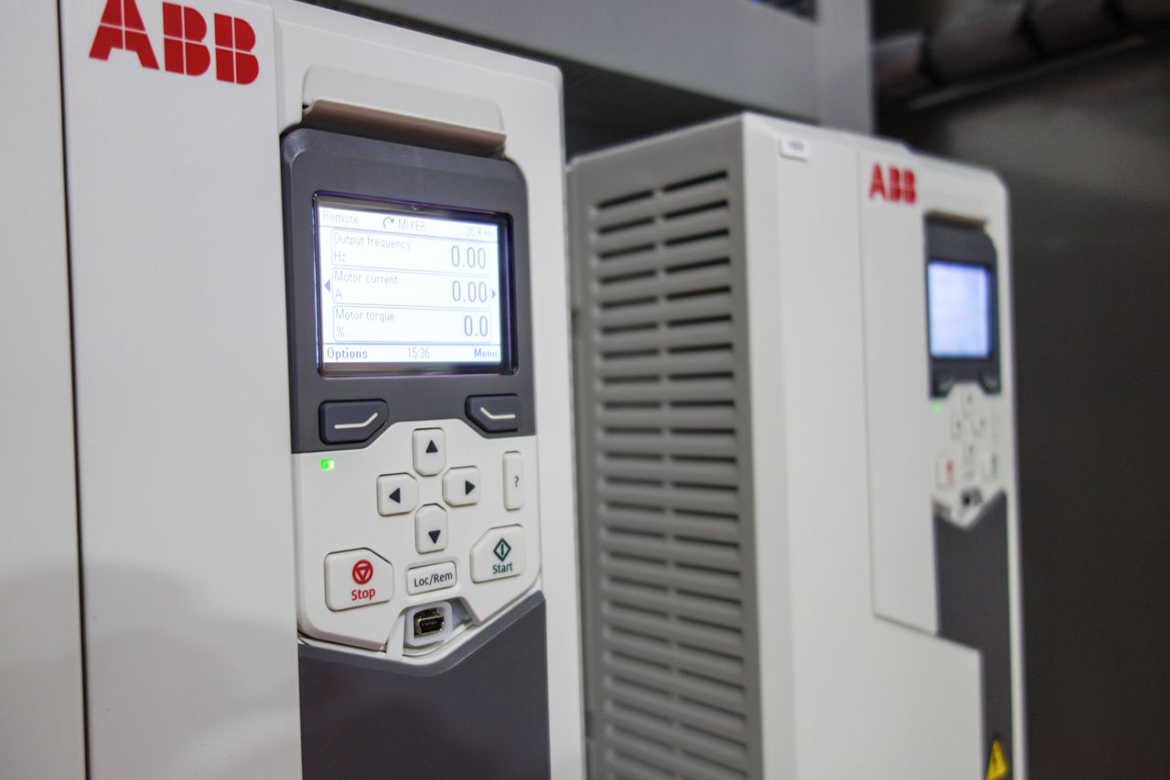
VSD Control Solutions: Enhancing Efficiency and Performance
Precision and efficiency are paramount in the quest to optimise industrial and commercial operations. Today’s technology has enabled solutions to enhance these features; one such revolutionary advancement is the variable-speed drive (VSD). They offer sophisticated communication commands for motor speed or torque, resulting in high energy efficiency and best-practice controls. Incorporating VSD Control Solutions will help businesses achieve a recognisable improvement in operational performance while reducing costs.
Features of VSD Control Solutions
Energy Efficiency:
- The VSD (Variable Speed Drive) control solutions are mainly characterised by their ability to enhance energy efficiency. The VSDs prevent unnecessary energy consumption by adjusting motor speed to match actual load requirements. It is common for traditional systems to operate motors at constant speed regardless of load, thereby wasting energy. On the contrary, VSDs ensure motors operate only at the speeds required for specific tasks, resulting in significant energy savings. This reduces not only operational costs but also carbon emissions.
Improved Process Control:
- VSDs give precise control of motor speed and torque, thus improving process management. This is especially important for processes that require variable speeds, such as heating, ventilation and air conditioning systems, pumps, and conveyors. This still enables accurate, efficient machine operation, resulting in improved overall process control and higher product quality. The method helps optimise production processes, thereby reducing the resources spent on equipment maintenance.
Enhanced Equipment Longevity:
- VSDs’ smooth start-up and stoppage features ensure motor lifespan. Instead of causing mechanical stress and surges, as in traditional motor starters, which can lead to premature wear or even damage, VSDs provide a gradual ramp-up to full speed, minimising mechanical and electrical stress on the machines. In doing so, this friendly operation extends motor lifespans while reducing maintenance costs, ensuring there will be no performance failures over time.
Reduced Maintenance Costs:
- VSD controls can reduce maintenance expenses due to a decrease in mechanical wear and tear. This is achieved through adjustable motor speeds and avoiding full-running conditions which reduce the stress on mechanical components like bearings and belts. Moreover, VSDs feature diagnostic tools that allow for monitoring of system performance and early detection of possible problems. Such preventive measures prevent unaffordable repairs caused by unforeseen breakdowns, contributing to entire effective operations.
Flexibility and Adaptability
- VSDs are very flexible and adaptable to diverse applications and environments. They can effortlessly fit into current systems as well as configured according to particular operational needs. It does not matter whether they are being employed in new fittings or retrofitted on old machines. VSDs serve different purposes for many industrial operations. The ability to change ensures that firms will always be able to enhance output beyond limits without necessitating large-scale modernization of their structures.
In conclusion, VSD control solutions provide numerous benefits which include improved process control, enhanced energy efficiency and reduced maintenance costs. Precise motor control, extended lifespan of equipment, and adaptability make them crucial elements of today’s industrial systems. Investment in VSD Control Solutions leads to great cost savings, improved operations as well as environmental advantages for organizations.
